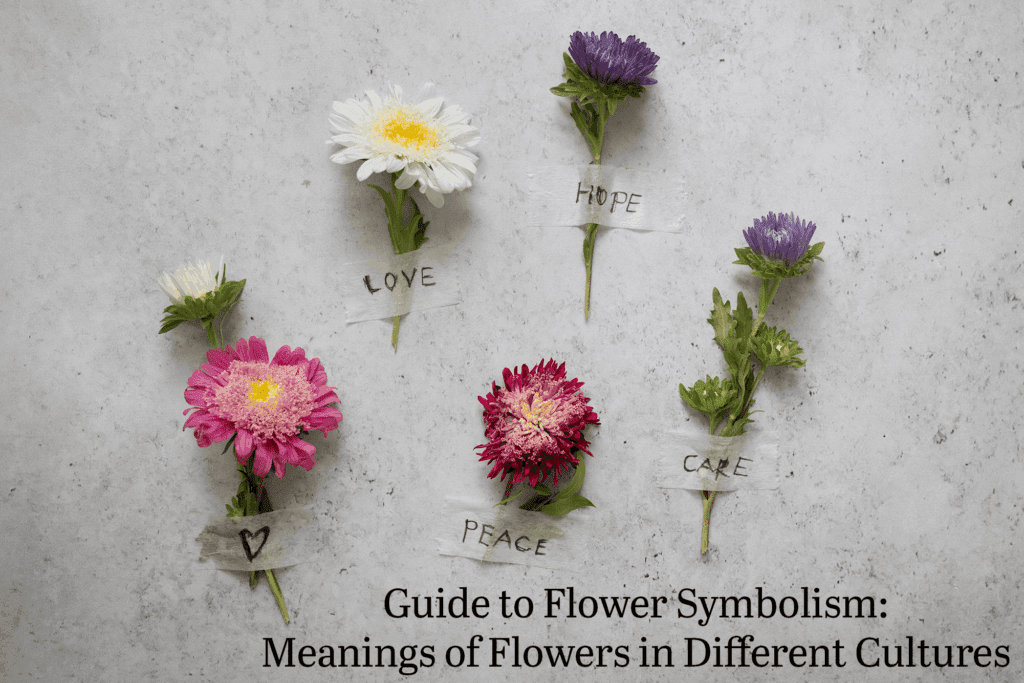
Guide to Flower Symbolism: Meanings of Flowers in Different Cultures
Flowers speak a language of their own.
They whisper love and care across centuries, cultures, and traditions. Have you ever wondered why roses are the go-to for love?
Why are lotus blooms sacred in Asia? or
Why do chrysanthemums carry opposite meanings in Europe and Asia?
Every flower holds a message!
Learning this hidden language can help you express emotions with thoughtfulness and precision.
Think about it!
When was the last time you gifted flowers?
Did you know your choice might have carried a deeper meaning than you realized?
Flowers are more than decorations, from weddings to farewells, celebrations to condolences.
They are symbols, storytellers, and cultural messengers.
In this guide, we will explore
Flower symbolism across the world
Uncover the meanings behind popular blooms and
Answer the most common questions:
- What do different flowers mean?
- Which flowers symbolize healing or strength?
- How do cultural interpretations shift the symbolism?
By the end, you will know how to choose the perfect flower for every occasion and avoid cultural misunderstandings.
Why Do Flowers Have Symbolic Meanings?
Flowers have been used for centuries to communicate without words. This practice, often called floriography or the language of flowers, allowed people to convey feelings discreetly. Different cultures attached meanings based on religion, mythology, colors, and the natural characteristics of flowers. For example, white roses symbolize purity in Western traditions, while in some Eastern cultures, white flowers represent mourning.
Quick Summary: Flowers symbolize emotions, virtues, and cultural values because of their beauty, colors, and traditional associations.
What Do Different Flowers Mean?
Understanding flower meanings helps you choose the right bloom for the right occasion. Some of the widely recognized flowers are listed below.
- Roses – Symbolize love, passion, and purity depending on the colours you choose and the arrangement.
- Lotus – Associated with spiritual awakening, purity, resilience, especially in Asia.
- Sunflowers – Bright blooms that bring feelings of happiness, warmth, and loyalty, making them a delightful choice for any occasion.
- Tulips – Representing perfect love, tulips are also a sign of love, rebirth, and hope, making them a springtime favourite.
- Orchids – With their exotic appearance, orchids stand for beauty, luxury, and strength, making them a special gift for your cherished one.
- Lilies – Connected with purity and remembrance, lilies are wonderful blooms for honouring motherhood and expressing your deepest emotions.
- Chrysanthemums – These flowers symbolize longevity and joy in many Asian cultures and represent grief in some European traditions.
Quick Tip: Always consider cultural context – one flower may mean love in one region and mourning in another.
Symbolic Meaning of Flowers in Different Cultures
1. Meaning of Flowers in Western Traditions
- Roses dominate symbolism in Europe and the Americas, representing romance, friendship, or sorrow depending on the colour.
- Red roses meaning Romance
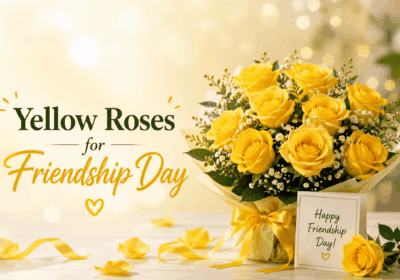
- Yellow means Friendship
- White for Condolence
- Lilies are often used in funerals, symbolizing peace and rebirth.
- Daisies symbolize innocence and childhood.
2. Meaning of Flowers in Asian Cultures
- The lotus is sacred in India. It symbolizes enlightenment and purity, rising gracefully above muddy waters to bloom in perfection.
- Chrysanthemums in China represent longevity and luck, while in Japan, they symbolize the imperial family (the ruling family associated with an emperor or empress.
- Peonies stand for wealth and honour, often seen at weddings.
3. Meaning of Flowers in Middle Eastern Cultures
- Tulips, especially in Persian culture, symbolize perfect love and sacrifice.
- Roses appear in Sufi poetry (Islamic devotional literature expressing the union between man and God), symbolizing divine love.
4. Flowers in African Cultures
- Protea in South Africa symbolizes change and hope.
- Hibiscus often represents beauty and delicate femininity.
Flowers That Symbolize Healing
Healing flowers are often given to someone recovering from illness, symbolizing hope and renewal.
- Lavender – Calmness, relaxation
- Chamomile – Healing, rest
- Calendula – Protection, soothing energy
- Jasmine – Comfort and emotional healing
Quick Summary: Healing flowers carry calming, restorative, and protective symbolism, making them ideal gifts for recovery.
Flowers That Symbolize Strength
Some flowers are associated with resilience, power, and endurance.
- Gladiolus – Strength of character, honour
- Protea – Transformation and courage
- Oakleaf Hydrangea – Tenacity (quality not giving up easily on a goal or challenging situations)
- Edelweiss (silver star) – Courage in harsh conditions
Edelweiss is a symbol of bravery in Europe, often linked to mountain climbers who risked their lives to collect it.
Flowers That Symbolize Friendship and Love
Friendship and love have distinct floral representations.
- Yellow Roses – Friendship, joy
- Alstroemeria – Loyalty and mutual support
- Sunflowers – Warmth, positivity
- Pink Carnations – Gratitude and admiration
- Red Roses – Romantic love and passion
How to Choose Friendship vs. Love Flowers?
- Use yellow and pink tones for friends.
- Choose red or white roses for romantic partners.
- Bright blooms like sunflowers are safe for any cheerful occasion.
What Do White Roses Symbolize?
White roses are among the most symbolic flowers globally.
- Western Meaning: Purity, innocence, new beginnings (shared in weddings).
- Eastern Meaning: In many Asian cultures, white flowers, especially white roses, are linked to mourning and remembrance.
White roses symbolize purity and remembrance, but whether they are used for weddings or funerals depends on the culture and occasion.
What Do Flowers Symbolize in Life?
In daily life, flowers symbolize:
- Love – Expressing affection
- Hope – Offering encouragement
- Peace – Conveying sympathy
- Growth – Representing personal development
- Celebration – Marking milestones
Giving sunflowers to a graduate represents both success and hope for the future.
How to Choose the Right Flower for Any Occasion
Here is a simple step-by-step guide:
- Consider the relationship – Friend, partner, colleague?
- Match the occasion – Wedding, birthday, sympathy, or recovery?
- Check cultural context – Does the flower have a different meaning in that culture?
- Think colour symbolism – Red for passion, yellow for joy, white for peace.
- Add a personal touch – Choose a flower tied to their birth month or heritage.
Final Takeaways
Flowers are cultural messengers and mean different things worldwide. Make your gift thoughtful, respectful, and deeply meaningful by knowing its symbolism across various cultures. You can send the right message, whether you want to show love, friendship, healing, or strength. Always remember flower meanings can vary with culture, so what symbolizes purity in one region may signify mourning in another. If you are planning a gesture that speaks from the heart, through our flower delivery in Bangalore, knowing these differences ensures your blooms connect with emotion and intention.
FAQs | Guide to Flower Symbolism
What do flowers symbolize in different cultures?
Flowers often symbolize emotions like love, respect, purity, and remembrance, but their meanings vary widely across cultures.
What do flowers symbolize in Japanese culture?
In Japan, flowers like cherry blossoms represent purity and renewal, while others like chrysanthemums symbolize longevity and honour.
What do flowers symbolize in Chinese culture?
In Chinese culture, flowers are rich in symbolism.
Peonies – Wealth and prosperity
Lotus – Purity and spiritual growth.
How are flowers used in different cultures?
Flowers are used in ceremonies, festivals, healing rituals, and daily life to express emotions, honour traditions, and connect with nature.
Flowers speak a language of their own.
They whisper love and care across centuries, cultures, and traditions. Have you ever wondered why roses are the go-to for love?
Why are lotus blooms sacred in Asia? or
Why do chrysanthemums carry opposite meanings in Europe and Asia?
Every flower holds a message!
Learning this hidden language can help you express emotions with thoughtfulness and precision.
Think about it!
When was the last time you gifted flowers?
Did you know your choice might have carried a deeper meaning than you realized?
Flowers are more than decorations, from weddings to farewells, celebrations to condolences.
They are symbols, storytellers, and cultural messengers.
In this guide, we will explore
Flower symbolism across the world
Uncover the meanings behind popular blooms and
Answer the most common questions:
- What do different flowers mean?
- Which flowers symbolize healing or strength?
- How do cultural interpretations shift the symbolism?
By the end, you will know how to choose the perfect flower for every occasion and avoid cultural misunderstandings.
Why Do Flowers Have Symbolic Meanings?
Flowers have been used for centuries to communicate without words. This practice, often called floriography or the language of flowers, allowed people to convey feelings discreetly. Different cultures attached meanings based on religion, mythology, colors, and the natural characteristics of flowers. For example, white roses symbolize purity in Western traditions, while in some Eastern cultures, white flowers represent mourning.
Quick Summary: Flowers symbolize emotions, virtues, and cultural values because of their beauty, colors, and traditional associations.
What Do Different Flowers Mean?
Understanding flower meanings helps you choose the right bloom for the right occasion. Some of the widely recognized flowers are listed below.
- Roses – Symbolize love, passion, and purity depending on the colours you choose and the arrangement.
- Lotus – Associated with spiritual awakening, purity, resilience, especially in Asia.
- Sunflowers – Bright blooms that bring feelings of happiness, warmth, and loyalty, making them a delightful choice for any occasion.
- Tulips – Representing perfect love, tulips are also a sign of love, rebirth, and hope, making them a springtime favourite.
- Orchids – With their exotic appearance, orchids stand for beauty, luxury, and strength, making them a special gift for your cherished one.
- Lilies – Connected with purity and remembrance, lilies are wonderful blooms for honouring motherhood and expressing your deepest emotions.
- Chrysanthemums – These flowers symbolize longevity and joy in many Asian cultures and represent grief in some European traditions.
Quick Tip: Always consider cultural context – one flower may mean love in one region and mourning in another.
Symbolic Meaning of Flowers in Different Cultures
1. Meaning of Flowers in Western Traditions
- Roses dominate symbolism in Europe and the Americas, representing romance, friendship, or sorrow depending on the colour.
- Red roses meaning Romance
- Yellow means Friendship
- White for Condolence
- Lilies are often used in funerals, symbolizing peace and rebirth.
- Daisies symbolize innocence and childhood.
2. Meaning of Flowers in Asian Cultures
- The lotus is sacred in India. It symbolizes enlightenment and purity, rising gracefully above muddy waters to bloom in perfection.
- Chrysanthemums in China represent longevity and luck, while in Japan, they symbolize the imperial family (the ruling family associated with an emperor or empress.
- Peonies stand for wealth and honour, often seen at weddings.
3. Meaning of Flowers in Middle Eastern Cultures
- Tulips, especially in Persian culture, symbolize perfect love and sacrifice.
- Roses appear in Sufi poetry (Islamic devotional literature expressing the union between man and God), symbolizing divine love.
4. Flowers in African Cultures
- Protea in South Africa symbolizes change and hope.
- Hibiscus often represents beauty and delicate femininity.
Flowers That Symbolize Healing
Healing flowers are often given to someone recovering from illness, symbolizing hope and renewal.
- Lavender – Calmness, relaxation
- Chamomile – Healing, rest
- Calendula – Protection, soothing energy
- Jasmine – Comfort and emotional healing
Quick Summary: Healing flowers carry calming, restorative, and protective symbolism, making them ideal gifts for recovery.
Flowers That Symbolize Strength
Some flowers are associated with resilience, power, and endurance.
- Gladiolus – Strength of character, honour
- Protea – Transformation and courage
- Oakleaf Hydrangea – Tenacity (quality not giving up easily on a goal or challenging situations)
- Edelweiss (silver star) – Courage in harsh conditions
Edelweiss is a symbol of bravery in Europe, often linked to mountain climbers who risked their lives to collect it.
Flowers That Symbolize Friendship and Love
Friendship and love have distinct floral representations.
- Yellow Roses – Friendship, joy
- Alstroemeria – Loyalty and mutual support
- Sunflowers – Warmth, positivity
- Pink Carnations – Gratitude and admiration
- Red Roses – Romantic love and passion
How to Choose Friendship vs. Love Flowers?
- Use yellow and pink tones for friends.
- Choose red or white roses for romantic partners.
- Bright blooms like sunflowers are safe for any cheerful occasion.
What Do White Roses Symbolize?
White roses are among the most symbolic flowers globally.
- Western Meaning: Purity, innocence, new beginnings (shared in weddings).
- Eastern Meaning: In many Asian cultures, white flowers, especially white roses, are linked to mourning and remembrance.
White roses symbolize purity and remembrance, but whether they are used for weddings or funerals depends on the culture and occasion.
What Do Flowers Symbolize in Life?
In daily life, flowers symbolize:
- Love – Expressing affection
- Hope – Offering encouragement
- Peace – Conveying sympathy
- Growth – Representing personal development
- Celebration – Marking milestones
Giving sunflowers to a graduate represents both success and hope for the future.
How to Choose the Right Flower for Any Occasion
Here is a simple step-by-step guide:
- Consider the relationship – Friend, partner, colleague?
- Match the occasion – Wedding, birthday, sympathy, or recovery?
- Check cultural context – Does the flower have a different meaning in that culture?
- Think colour symbolism – Red for passion, yellow for joy, white for peace.
- Add a personal touch – Choose a flower tied to their birth month or heritage.
Final Takeaways
Flowers are cultural messengers and mean different things worldwide. Make your gift thoughtful, respectful, and deeply meaningful by knowing its symbolism across various cultures. You can send the right message, whether you want to show love, friendship, healing, or strength. Always remember flower meanings can vary with culture, so what symbolizes purity in one region may signify mourning in another. If you are planning a gesture that speaks from the heart, through our flower delivery in Bangalore, knowing these differences ensures your blooms connect with emotion and intention.
FAQs | Guide to Flower Symbolism
What do flowers symbolize in different cultures?
Flowers often symbolize emotions like love, respect, purity, and remembrance, but their meanings vary widely across cultures.
What do flowers symbolize in Japanese culture?
In Japan, flowers like cherry blossoms represent purity and renewal, while others like chrysanthemums symbolize longevity and honour.
What do flowers symbolize in Chinese culture?
In Chinese culture, flowers are rich in symbolism.
Peonies – Wealth and prosperity
Lotus – Purity and spiritual growth.
How are flowers used in different cultures?
Flowers are used in ceremonies, festivals, healing rituals, and daily life to express emotions, honour traditions, and connect with nature.
Related Posts